Introduction
In emergency situations, understanding exactly how to execute CPR (Cardiopulmonary Resuscitation) can be the difference in between life and fatality. Whether you're a layman or someone in the medical area, understanding the fundamentals of mouth-to-mouth resuscitation is important. This comprehensive guide will certainly walk you via the required actions and strategies needed for efficient CPR, emphasizing its significance in saving lives.
From understanding what mouth-to-mouth resuscitation is to discovering the current guidelines and strategies, this guide intends to supply beneficial insights into just how you can be prepared for emergencies.
How to Do CPR: A Beginner's Overview to Life-Saving Techniques
CPR is a lifesaving technique used in emergencies when somebody's heart has quit beating or they have actually stopped breathing. Knowing just how to do mouth-to-mouth resuscitation can considerably boost the chances of survival till expert medical help arrives.
Understanding the Relevance of CPR
Why is CPR Crucial?
cpr classes onlineThe key objective of carrying out CPR is to maintain blood circulation and oxygenation to important organs, especially the mind. When a person's heart stops, they may pass out within secs, and mental retardation can occur within mins without blood flow. Hence, prompt activity via CPR can save a life.
Statistics on Survival Rates
According to numerous researches, instant CPR can double or perhaps triple a target's possibility of survival. The American Heart Organization reports that around 350,000 cardiac arrests happen outside health centers every year in the USA alone.
Basic Elements of CPR
1. Assessing the Situation
Before you start administering mouth-to-mouth resuscitation, ensure it's secure for both you and the sufferer. Search for indications of responsiveness. If they're less competent and not breathing (or gasping), it's time to act.
2. Calling for Help
Call emergency services quickly or ask somebody else to do so while you begin administering care.
3. Beginning Breast Compressions
- Place your turn over the facility of the chest. Use your body weight to compress down set at a rate of 100-120 compressions per minute. Ensure that each compression is about 2 inches deep however not greater than 2.4 inches; this helps prevent inaccurate compression depth.
4. Giving Rescue Breaths (if educated)
If you're learnt rescue breaths:

- Give 30 breast compressions adhered to by 2 rescue breaths. Ensure each breath lasts regarding one 2nd and makes the upper body increase visibly.
Using an AED: Just How to Utilize It
An Automated External Defibrillator (AED) is a critical tool that can recover a normal heart rhythm throughout cardiac arrest:
Turn on the AED. Follow audio/visual prompts. Attach pads as indicated on the device. Allow it to analyze heart rhythm and follow instructions accordingly.CPR for Different Age Groups
Understanding age-specific standards can make all the distinction when doing mouth-to-mouth resuscitation:
Infant mouth-to-mouth resuscitation Technique
For babies under one year:
- Use two fingers for compressions in the facility of their chest. Provide mild puffs instead of strong breaths.
Child vs Grownup Techniques
For youngsters aged one year up till the age of puberty:
- Use one hand for compressions if needed but go for a deepness comparable to adults.
Special Situations Needing Advanced Resuscitation Skills
Certain situations demand advanced methods:
CPR for Sinking Victims
Drowning sufferers call for prompt rescue breaths prior to compressions because of potential hypoxia.
Sports-related Cardiac Arrests
In sports setups, understand exactly how certain activities present dangers and adapt your technique accordingly.
Workplace Emergency Plans: Being Prepared at Work
Having an emergency feedback plan at work can make sure everybody knows what actions to take during a dilemma:
Conduct normal training sessions. Ensure ease of access of first aid packages and AEDs. Designate functions among team members for swift emergency response.Household mouth-to-mouth resuscitation Preparedness: Preparing Your Home for Emergencies
Having a plan in your home improves your family's safety: training for hltaid009 provide CPR
- Keep an updated list of emergency contacts near phones. Have a conveniently accessible emergency treatment kit with basic products consisting of gloves and masks.
Local CPR Classes: Where Can You Obtain Certified?
Enrolling in regional courses will certainly furnish you with hands-on abilities necessary for effective efficiency:
Check community centers or hospitals providing courses. Look online for qualifications readily available in your area.Online mouth-to-mouth resuscitation Certification: Flexible Knowing Options
With technology at our fingertips, on the internet sources provide versatility:
Courses are typically available at any time. Make sure they adhere to acknowledged criteria like those from Red Cross or AHA.CPR Qualification Needs in Australia
Different areas have varying requirements concerning certification validity duration:
Typically valid for three years; check local regulations. Regular refresher courses are recommended through proceeding education courses.Latest Guidelines on Doing Mouth-to-mouth Resuscitation in Australia
Stay upgraded with current practices supported by health authorities:
Review modifications each year by means of medical care magazines or websites. Pay interest during re-certification programs as they show these updates.FAQ Section
What needs to I do if I'm uncertain about giving rescue breaths?
If you're awkward giving rescue breaths, emphasis solely on chest compressions till aid arrives; this is still extremely effective!
Can I utilize an AED on myself if I'm unconscious?
No! AEDs are made for use on others only; always seek support from somebody nearby if incapacitated.
What's the misconception surrounding "mouth-to-mouth resuscitation always reboots heart"?
It's important to keep in mind that while lots of people think this myth, the majority of cases require additional medical treatment past initial resuscitation efforts.
Are there specific guidelines based on age?
Yes! Guidelines vary dramatically between grownups, youngsters, and infants; acquaint on your own with these age-specific protocols!

How usually must I refresh my skills?
It's suggested to review training every two years or after significant guideline updates from acknowledged firms like AHA or Red Cross.
Is it legal to execute CPR if I'm not certified?
Yes! Good Samaritan laws normally safeguard express cpr course individuals that supply help throughout emergencies as long as actions are affordable offered their level of training!
Conclusion
Knowing how to carry out CPR properly can conserve lives-- your own included! By comprehending essential methods such as evaluating scenarios promptly utilizing AED gadgets correctly while adhering strictly age-based protocols guarantees much better outcomes throughout emergencies!
Remember-- the much more prepared you are with training classes qualifications-- the better influence you'll have when faced with real-life crises! So don't wait-- enlist today!
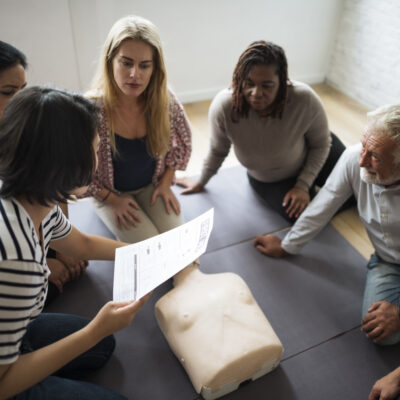
In recap, whether you're interested in taking neighborhood courses or looking for online certification opportunities-- there's no time like currently! Prepare on your own today because every 2nd counts when it boils down saving lives via appropriate application Cardiopulmonary Resuscitation techniques presented here throughout "Just how To Do Mouth-to-mouth resuscitation: A Newbie's Guide To Life-Saving Methods."